
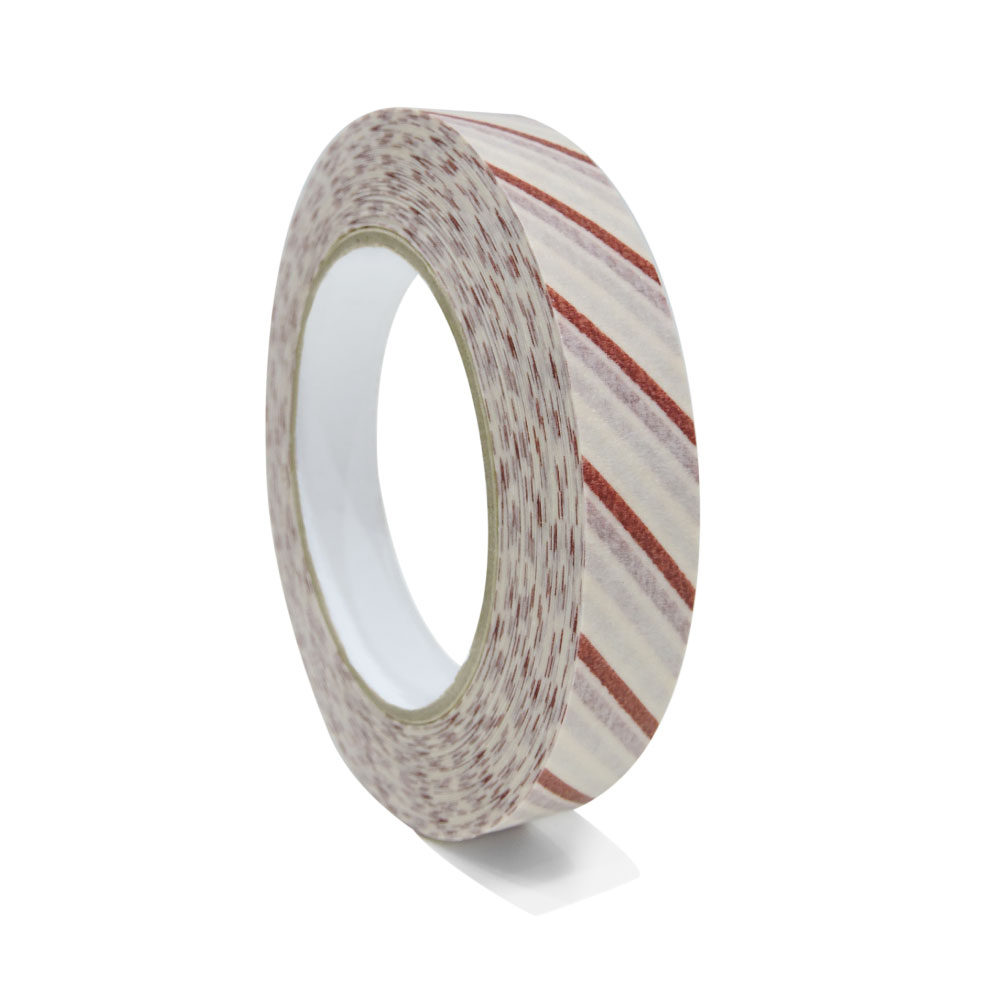
Chemical indicators and tapes change color to confirm that medical instruments have undergone a sterilization process. They do not prove sterility, but they verify that critical process variables like heat, steam, or gas were present.
Main Types of Indicators
- Internal Indicators: Placed inside instrument packs to verify sterilant penetration.
- External Indicators: Placed on the outside of packs (usually tape) to distinguish processed items from unprocessed ones.
Sterilization Classification (ISO 11140-1)
- Class 1 (Process Indicators): External tapes that change color upon superficial exposure to the sterilant.
- Class 2 (Specific Test Indicators): Used for specific equipment tests, such as the Bowie-Dick air removal test.
- Class 3 (Single-Variable Indicators): React to one critical parameter, like reaching a specific temperature.
- Class 4 (Multi-Variable Indicators): React to two or more parameters, such as time and temperature.
- Class 5 (Integrating Indicators): React to all critical variables; their performance correlates to biological indicators.
- Class 6 (Emulating Indicators): Cycle-specific indicators that react to all critical variables of a specific cycle.
Common Uses by Sterilization Method
- Steam Autoclave: Indicator lines on the tape turn from off-white to dark brown or black.
- Ethylene Oxide (EO): Tape lines change from green to brown or yellow to red.
- Hydrogen Peroxide (Plasma): Tape changes from blue to pink or red.

Reviews
There are no reviews yet.