
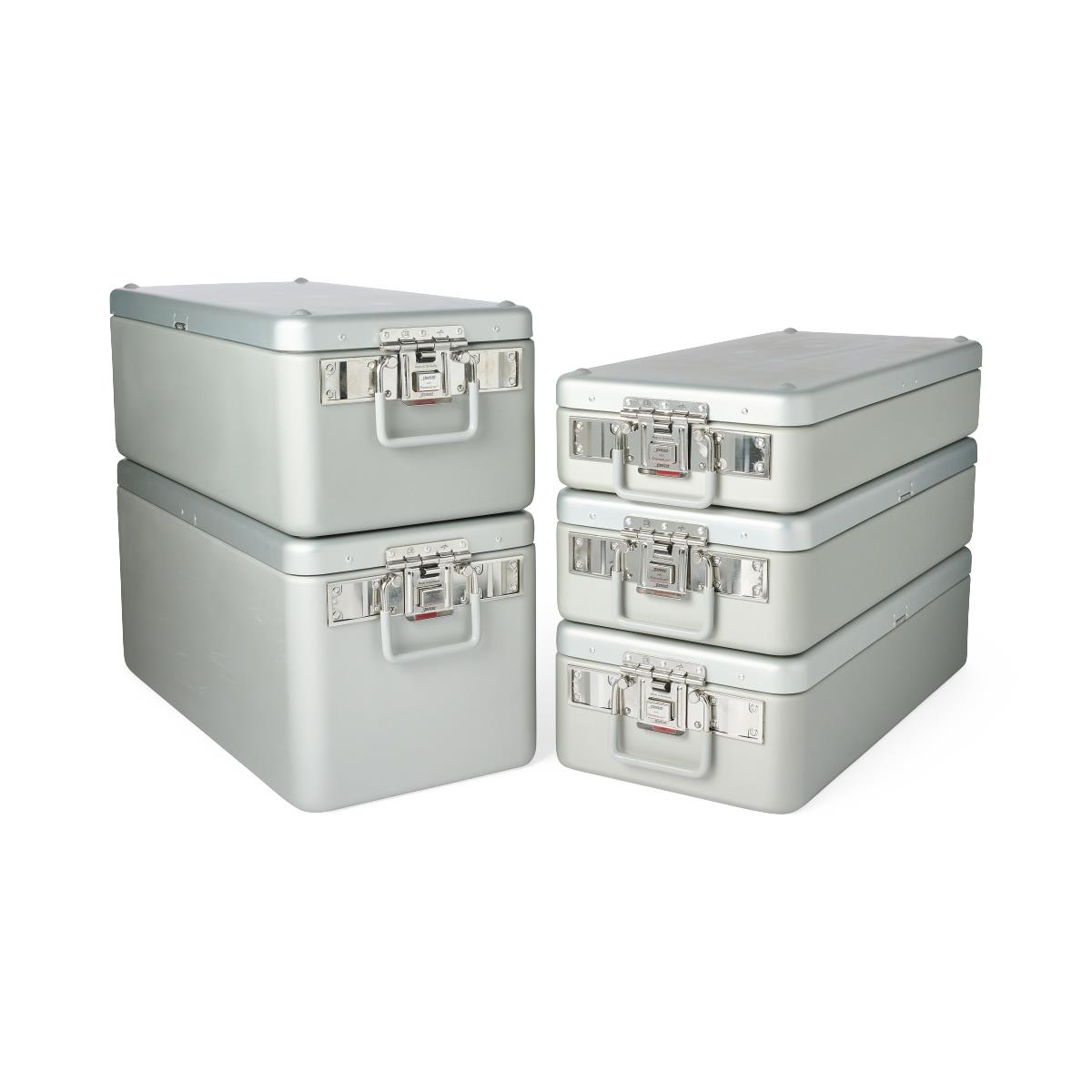
Sterilization containers (often called rigid sterilization containers or autoclave boxes) are reusable, heavy-duty medical devices designed to hold, transport, and protect surgical instruments or laboratory materials during and after steam sterilization. [ Unlike single-use blue sterilization wrap, rigid containers feature built-in mechanical or filtered venting systems that allow steam to penetrate during the autoclave cycle, then seal shut automatically upon cooling to block any bacteria or microbial ingress.
Types of Sterilization Containers by Use Case
1. Rigid Surgical Containers (Operating Room / CSSD)
Used for organizing, autoclaving, and storing surgical instrument sets. They reduce dependence on single-use wraps, offering long-term cost-efficiency and absolute protection against punctures.
- Anodized Aluminum Containers: The industry standard for operating rooms (e.g., the Genesis Container System or Aesculap Sterile Containers). They are lightweight, have high thermal conductivity for quick drying, and offer excellent durability.
- Stainless Steel Boxes: Favored for heavy-duty orthopedic instrument sets. They are heavily dent-resistant and virtually indestructible, though notably heavier than aluminum options.
2. Lab & Waste Secondary Containment Tubs (Autoclave Bag Trays)
Unlike surgical containers which house clean tools directly, these are open or loosely covered plastic/metal bins used to hold loaded autoclave bags or liquid media bottles.
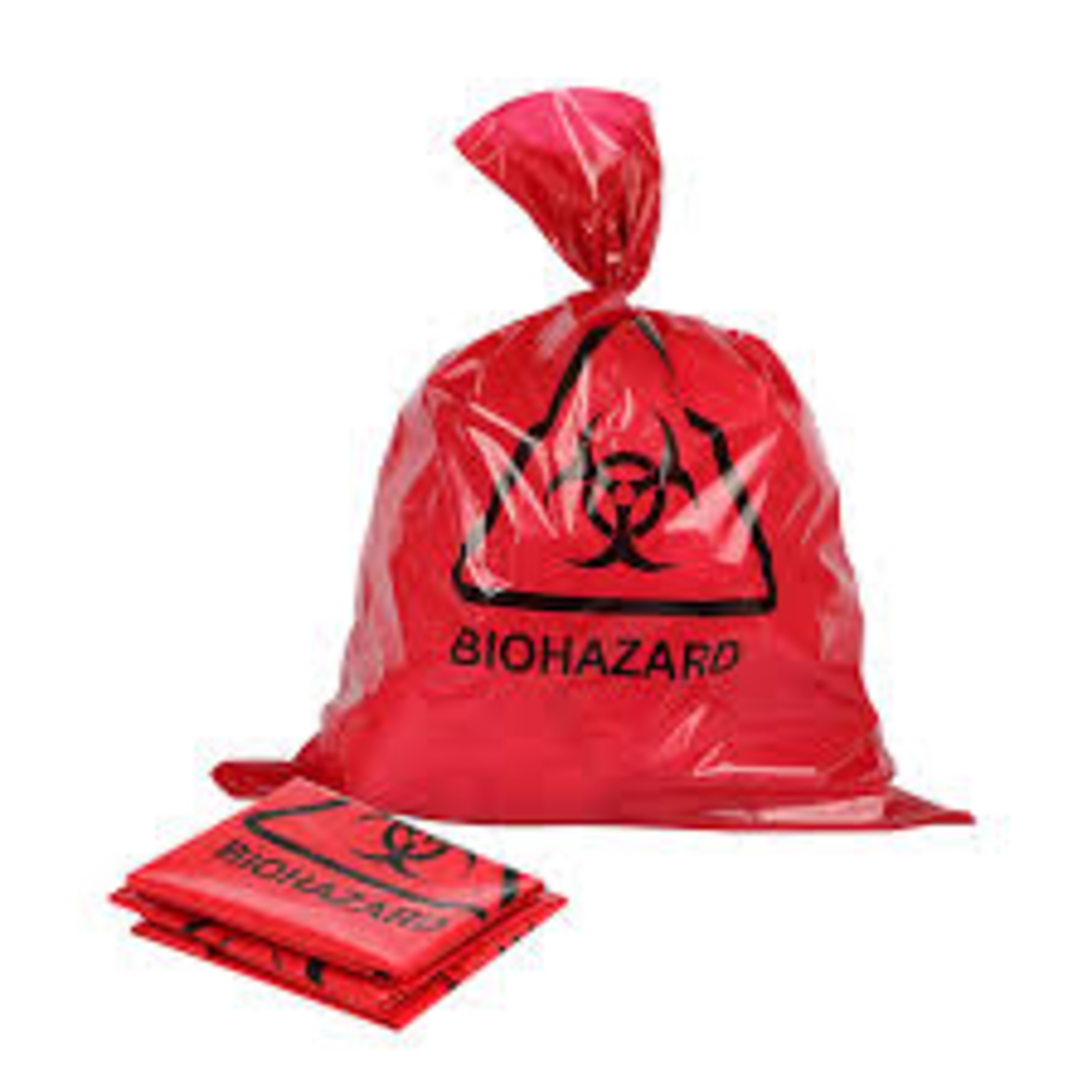
- Polypropylene (PP) Tubs: Thick, heavy-gauge plastic bins designed to withstand standard autoclave cycles up to 121°C–135°C. They act as a critical safety barrier to catch spills, boiling liquids, or leaking biohazard waste.
- Stainless Steel Trays: Open, flat or deep stainless steel pans used to slide biohazard bags into horizontal autoclaves cleanly.
3. Dental & Small-Clinic Cassettes
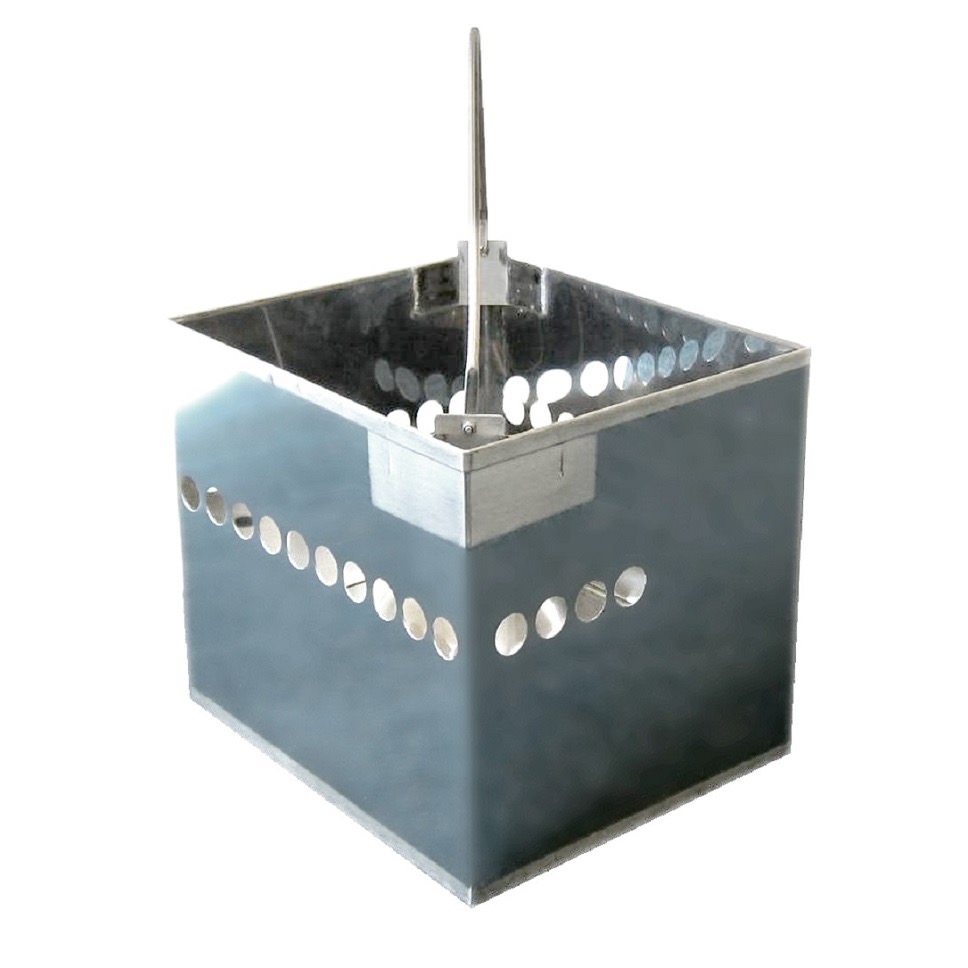
- Mini-Containers / Mesh Cassettes: Small, perforated stainless steel or specialized resin boxes. They allow dentists and small practitioners to keep an entire set of procedural tools (like mirrors and explorers) grouped together through the washing, autoclaving, and chairside setup phases.
Core Features of Rigid Containers
- Filtered vs. Valve Systems: Most systems use disposable or reusable microbial paper/PTFE filters housed in the lid. Modern “smart” or pressure-valve containers utilize mechanical valves that open via pressure differentials inside the autoclave and snap shut to lock in a terminal vacuum seal once dry.
- Tamper-Evident Locks: Built-in side latches accept plastic break-away security seals. If a seal is broken, staff instantly know the sterility of the internal instruments has been compromised.
- Color-Coded Lids: Lids are offered in diverse colors (e.g., blue, green, red, gold). This allows central sterile processing departments to categorize instrument trays at a glance by department (e.g., Orthopedics vs. Cardiology).

Reviews
There are no reviews yet.