
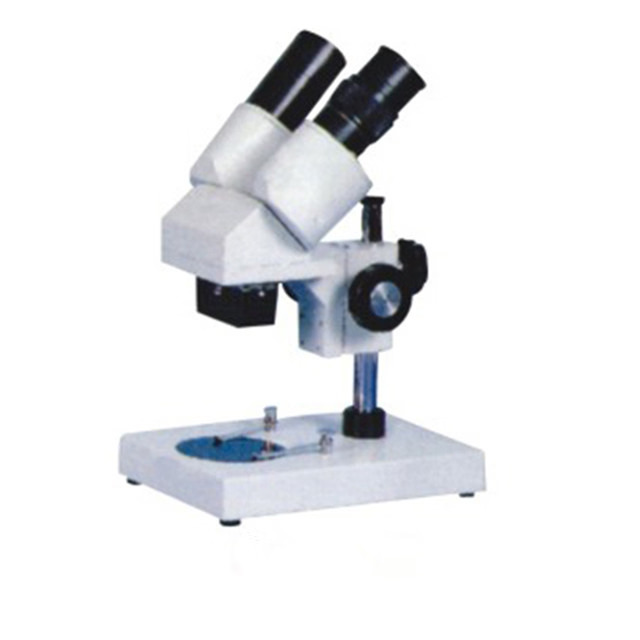
The S-20 Series typically refers to a widely used design for entry-level stereo (dissecting) microscopes produced by various manufacturers like Celestron, Motic, and Optika. These instruments are designed for students and hobbyists to view 3D objects like insects, coins, and plants.
Common Core Specifications
Most S-20 models share a standard configuration focused on ease of use:
- Magnification: Typically fixed at 20x (10x eyepieces paired with a 2x objective lens). Some professional versions offer interchangeable parts to reach up to 120x.
- Optical System: Uses a Greenough design, which provides high-quality 3D depth perception and upright images.
- Viewing Head: A binocular head inclined at a 45° angle for ergonomic comfort during long sessions.
- Illumination: Most models include top (incident) lighting to view opaque objects; some also include bottom (transmitted) lighting for translucent specimens.
Key Brand Variants
- Celestron Labs S20: A popular budget-friendly model. It is battery-powered (2 AA batteries), making it highly portable for field use. It often comes as a kit with two insect specimens.
- Motic S-20 Series: Aimed at educational environments, these are “student-proof” with locked-on components. They offer higher flexibility with interchangeable objectives and options for halogen or LED lighting.
- Optika S-20-L: Features a rugged all-metal construction and a fixed 20x magnification, commonly used in basic laboratory teaching.
What You Can See
Because of its low-power magnification and long working distance, it is ideal for:
- Geology: Inspecting mineral structures and rock surfaces.
- Biology: Examining whole insects, flower parts, and leaves in 3D.
- Hobbyist Tasks: Checking for errors on coins, stamps, or performing basic soldering/PCB inspection.
Are you looking for a portable field model for outdoor use, or a sturdier lab version for a classroom setting?


Reviews
There are no reviews yet.