
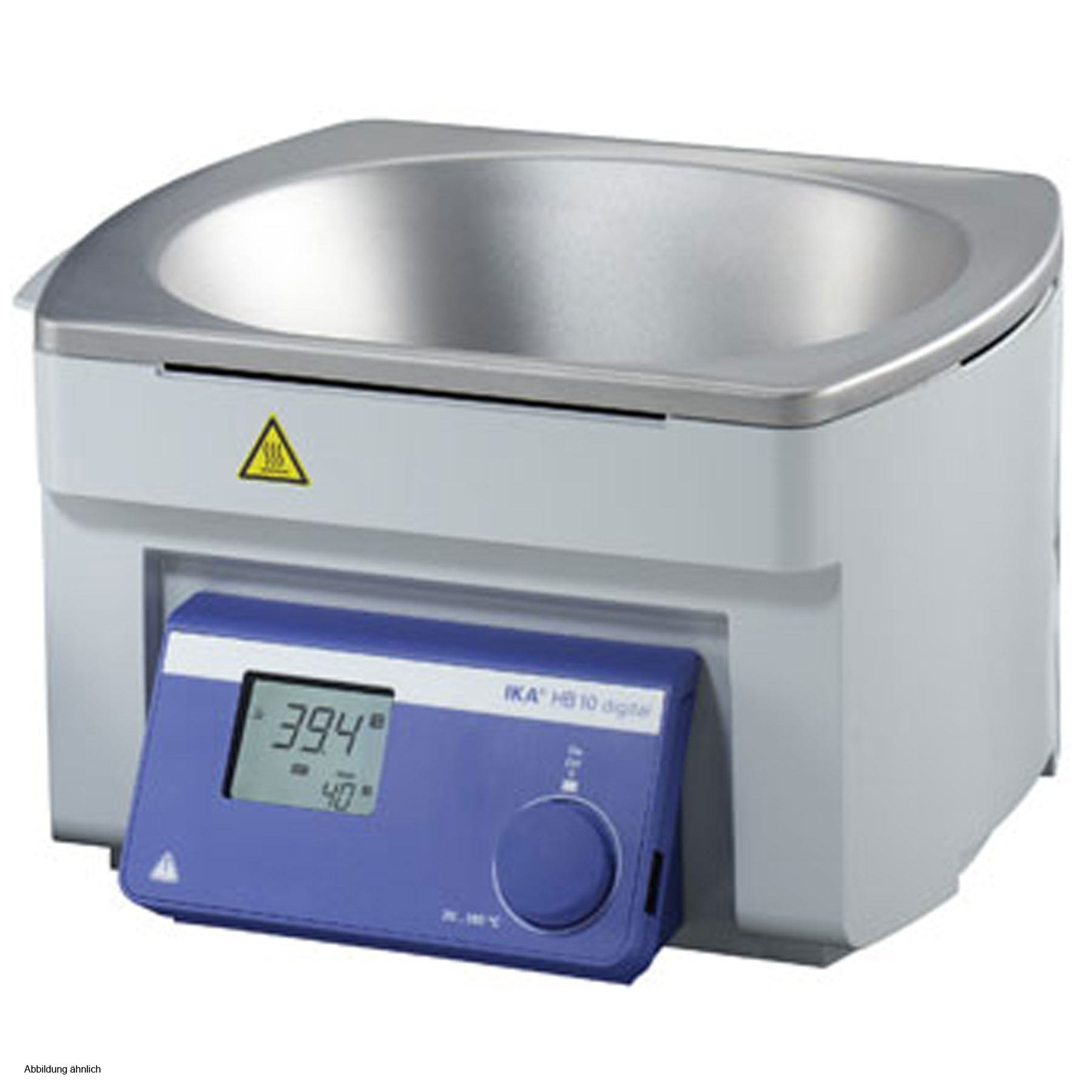
Overview
A heating bath is a laboratory fluidic container used to heat chemical reactions uniformly. It prevents direct contact between the heat source and the vessel to avoid hotspots and thermal shock.
Common Types
- Water Baths: Used for temperatures up to 100°C. Ideal for gentle, uniform heating.
- Oil Baths: Used for temperatures up to 300°C. Utilizes silicone oil or mineral oil.
- Sand Baths: Used for temperatures above 300°C. Safe, non-flammable, and handles high thermal energy.
- Dry Baths: Utilizes interchangeable metallic blocks. Eliminates fluid evaporation and spill risks.
Essential Safety Guidelines
- Never Leave Unattended: High temperatures pose significant fire hazards.
- Monitor Oil Integrity: Degraded oil lowers the flashpoint drastically.
- Avoid Water Contamination: Water drops in hot oil cause explosive splattering.
- Use a Fume Hood: Heating oils can release toxic or irritating vapors.
- Check Thermal Cutoffs: Ensure over-temperature protection switches are functional.
To help narrow down the exact technical specifications you need, please tell me:
- What is your target operating temperature range?
- What type of vessels (flasks, vials, microplates) will you heat?
- Are there any chemical compatibility or explosion-hazard requirements?

Reviews
There are no reviews yet.