
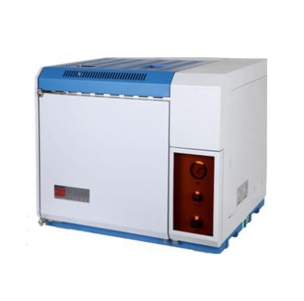
The Wincom GC102AF Gas Chromatograph is a high-performance laboratory instrument designed for volatile organic and inorganic compound separation and quantitative analysis. Equipped with a highly sensitive Flame Ionization Detector (FID) and a precise microcomputer temperature control system, it is widely utilized in environmental monitoring, petrochemicals, food safety, pharmaceuticals, and public health laboratories.
Technical Specifications
Detector Type: Flame Ionization Detector (FID)
Column Oven Temperature Range: Ambient temperature plus 7 degrees Celsius to 399 degrees Celsius
Temperature Control Accuracy: +/- 0.1 degrees Celsius
Injection Ports: Standard packed column injector (optional capillary column conversion)
FID Limit of Detection: Less than or equal to 1 x 10^-10 grams per second (for Benzene)
Baseline Drift: Less than or equal to 1 x 10^-12 Amperes per hour
Baseline Noise: Less than or equal to 5 x 10^-13 Amperes
Carrier Gas: High-purity Nitrogen, Hydrogen, or Helium
Power Supply: AC 220V, 50Hz, Maximum Power 1500W
Data Output: Analog signal interface for external chromatography data workstations
Key Features
High-Precision Temperature Control: The microcomputer system monitors and regulates the column oven, injector, and detector temperatures simultaneously with automatic over-temperature protection.
Advanced FID Detector: Features a low-noise, high-sensitivity Flame Ionization Detector with an easy-to-ignite system and durable jet design for consistent baseline stability.
Flexible Column Configuration: Supports dual packed columns or single capillary columns, allowing labs to switch setup configurations depending on analysis requirements.
Efficient Cooling System: Designed with a manual back-opening door mechanism for the column oven to ensure rapid cooling between analytical sample runs.
User-Friendly Display: A simple digital panel displays real-time temperature parameters and system status clearly, minimizing operator errors.
Primary Applications
Environmental Analysis: Testing and identifying volatile organic compounds (VOCs), pesticides, and gaseous pollutants in air, water, and soil samples.
Food and Beverage Quality Control: Analyzing additives, residual solvents, flavor components, and fatty acid compositions in food products.
Petrochemical and Industrial Labs: Monitoring the purity and chemical composition of solvents, alcohols, fuels, and chemical raw materials.
Reviews
There are no reviews yet.